For UK electronics manufacturers, semiconductor fabricators, and contract assemblers, 2026 has brought an unprecedented set of challenges. Severe supply constraints, soaring component valuations, and prolonged lead times for critical items like DRAM, NAND modules, and high-performance microcontrollers have turned ordinary factory inventories into high-value targets. When a single reel of specialized semiconductor chips can be worth tens of thousands of pounds: and replacements are backordered for months: traditional physical security measures simply aren't enough.
In an environment where a stolen tray of processors can completely stall an active production line, facility managers are turning to advanced manufacturing security solutions to protect their most vulnerable assets. Passive monitoring like CCTV and traditional perimeter alarms only record crimes as they happen; what modern electronic production facilities need is active deterrence.
The 2026 Semiconductor Reality: Why Component Theft Is Surging
The global semiconductor landscape in 2026 is defined by extreme scarcity. With artificial intelligence infrastructure demands absorbing massive shares of global memory output and automotive sectors competing for constrained silicon, component prices have spiked dramatically.
This economic pressure has a direct dark side: component theft deterrent strategies are now front-and-page news for facility managers. Thieves know that modern microchips, processors, and specialized passive components are lightweight, virtually untraceable until installed, and exceptionally easy to liquidate on secondary black markets.
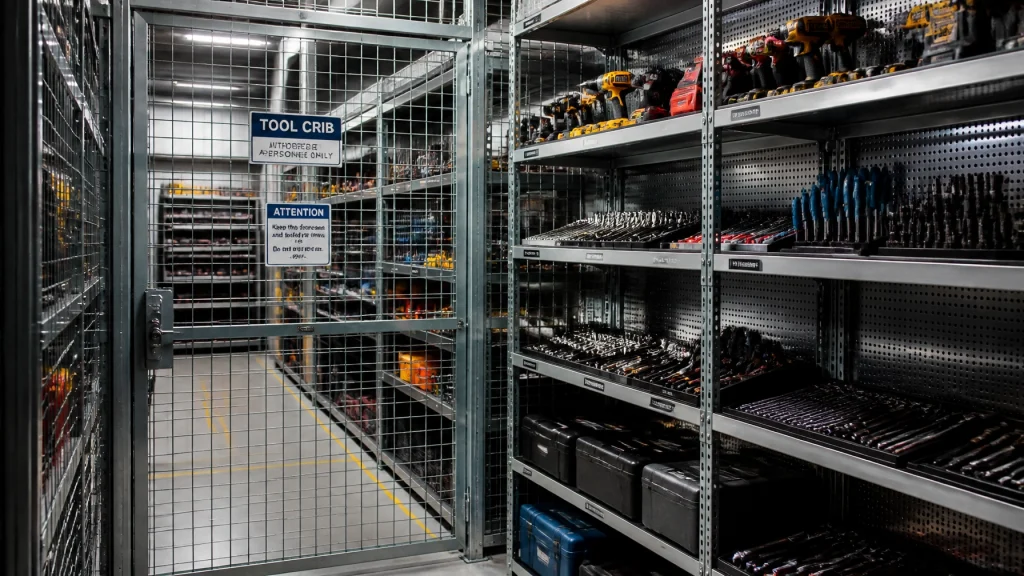
When a facility suffers a targeted break-in at a tool crib or component warehouse, the direct loss of inventory is only half the problem. The real cost is operational downtime. If critical microcontroller units (MCUs) or memory modules vanish from the assembly floor on a night shift, the entire production schedule grinds to a halt. For facilities operating on tight client SLAs, a single night of component theft can breach contracts and damage decades of reputation.

The Limits of Traditional Security in Electronics Manufacturing
For decades, electronics plants have relied on a standard triad of security measures:
- CCTV Cameras: Excellent for post-incident forensic analysis, but utterly powerless to stop a determined thief in the crucial first 3 minutes of a raid.
- Perimeter Alarms & PIR Detectors: These trigger sirens and dispatch response teams, but response times in industrial parks across the UK can range from 15 to 30 minutes. That is an eternity when high-value components can be swept into backpacks in under 120 seconds.
- Keypad Access & Badge Readers: While good for access control, internal theft or coerced access remains a persistent vulnerability, especially during late-night shifts with skeleton crews.
In high-stakes electronics manufacturing, waiting for police or private security to arrive after an alarm sounds means the thieves are already long gone with your entire allocation of scarce microchips. You need a system that neutralizes the threat before inventory leaves the building.
Enter Active Deterrence: The Role of Electronics Manufacturing Security Fog
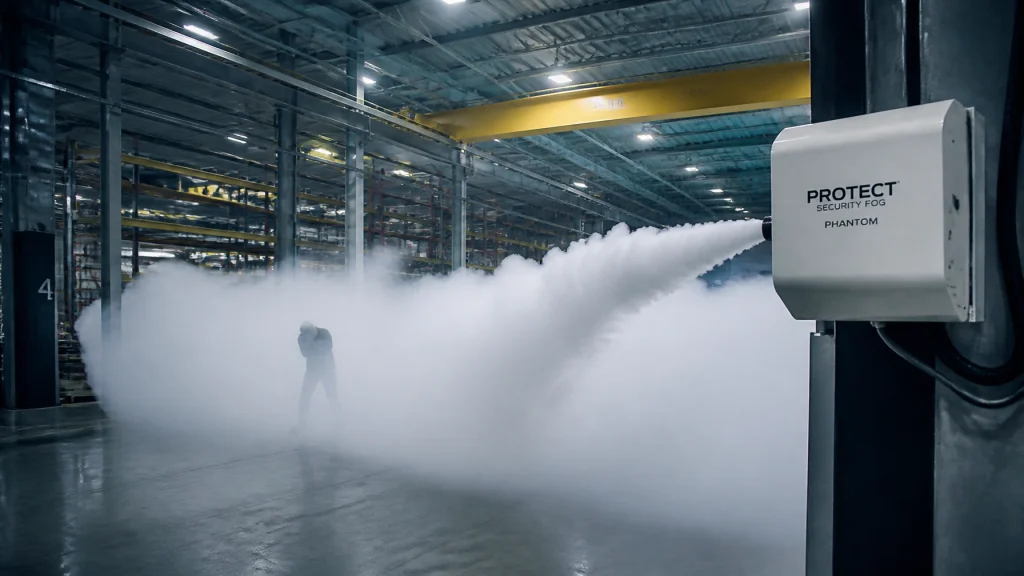
This is where active security systems redefine asset protection. Rather than waiting passively for authorities, high-speed security fog generators take immediate physical control of the environment the moment an unauthorized intrusion is detected.
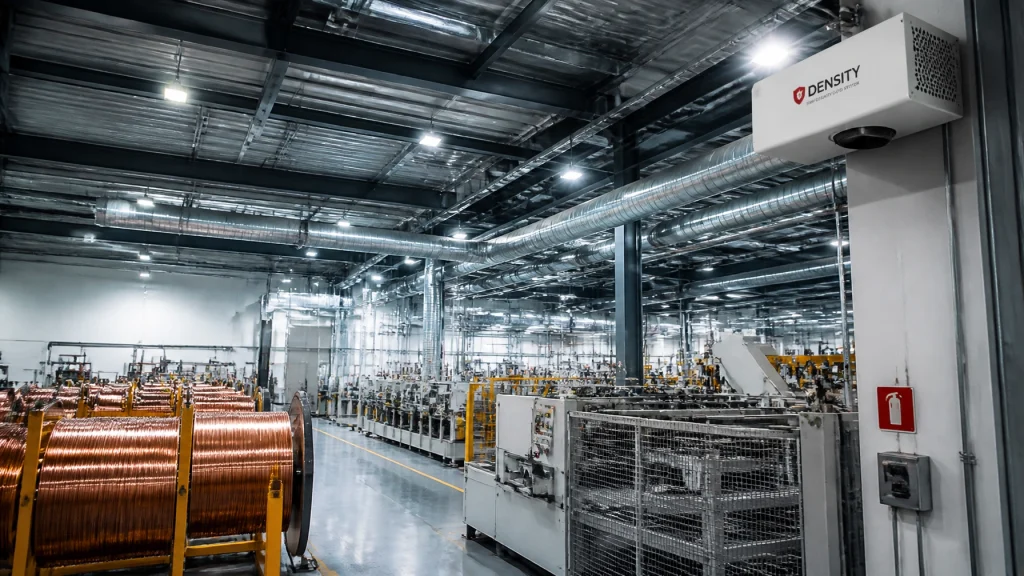
When integrated with commercial alarm systems, advanced fog generators: such as the high-performance units engineered by Density: deploy in less than a single second and can create over 70 cubic metres of fog per second inside a room.

Within 3 seconds of activation, the protected storage vault or component room is completely saturated with a dense, impenetrable, and totally non-toxic white fog. Visibility is reduced to absolute zero. Without the ability to see their hands in front of their faces, let alone identify high-value processor trays or delicate semiconductor reels, intruders are instantly disoriented and forced to flee empty-handed.
Safe for Sensitive Electronic Environments
A common concern among facility managers in cleanrooms and semiconductor packaging plants is whether artificial fog will damage delicate hardware, bare silicon, or sensitive optical inspection equipment.
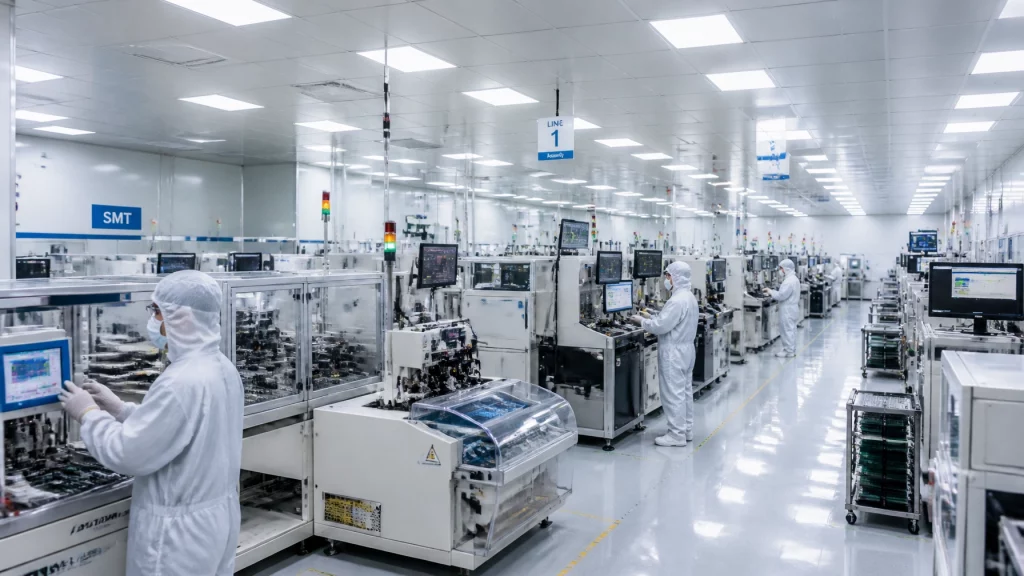
The security fog produced by professional systems is engineered specifically to be completely dry, residue-free, and safe for all industrial environments. It leaves no moisture on circuit boards, does not interfere with sensitive machinery, and evaporates cleanly without contaminating cleanroom standards or food-grade production areas. This makes it ideal for:
- Semiconductor storage vaults and bonding rooms
- High-value component cribs and kitting areas
- Finished goods shipping and staging zones
- Automated SMT (Surface Mount Technology) production lines
Compliance, Insurance, and Risk Mitigation
Commercial insurers underwriting UK manufacturing facilities are increasingly tightening their policy requirements. In the face of rising component values and organized industrial crime, insurers look favorably on facilities that deploy active defense systems approved by organizations like the NSI and SSAIB.
Implementing certified manufacturing security solutions not only reduces your risk profile and insurance premiums but also sends a clear message to your supply chain partners and clients that your facility is fortified against modern risks.
To learn more about how tailored security fog configurations can safeguard your specific production layout, visit our dedicated manufacturing security sector guide.

Summary: Protecting Your Production Line
With semiconductor shortages projected to influence supply chains for years to come, protecting your existing inventory of chips, wafers, and specialized electronics is a business-critical priority. Passive alarms and security cameras are no longer sufficient to stop brazen thieves targeting high-value components.
By pairing rapid-deployment security fog: capable of deploying in less than a single second and generating over 70 cubic metres of fog per second: with robust access control, UK electronics manufacturers can effectively stop theft in its tracks before production lines ever have a chance to stop.