Insurance Compliance and Operational Resilience in Public Sector Procurement
As UK public sector organisations approach upcoming policy renewal cycles, risk management frameworks across local authorities, NHS trusts, schools, and civic bodies are undergoing rigorous evaluation. Insurers and risk protection arrangements, including the Risk Protection Arrangement (RPA), are tightening underwriting standards. Traditional passive security measures are no longer sufficient to meet mandatory duty-of-care obligations or satisfy evolving insurer prerequisites. For facility managers, security officers, and procurement teams, understanding how active intervention impacts risk mitigation is essential. Alarms detect. CCTV records. Density prevents. Passive security fails.
To explore how advanced active deterrence aligns with current procurement frameworks, review our public-sector security fog systems UK portal.
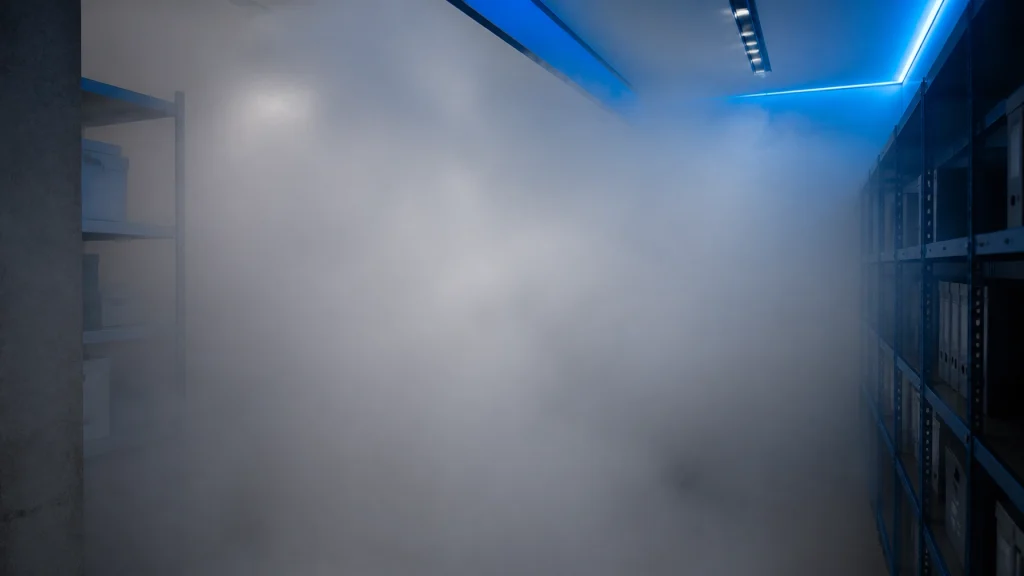
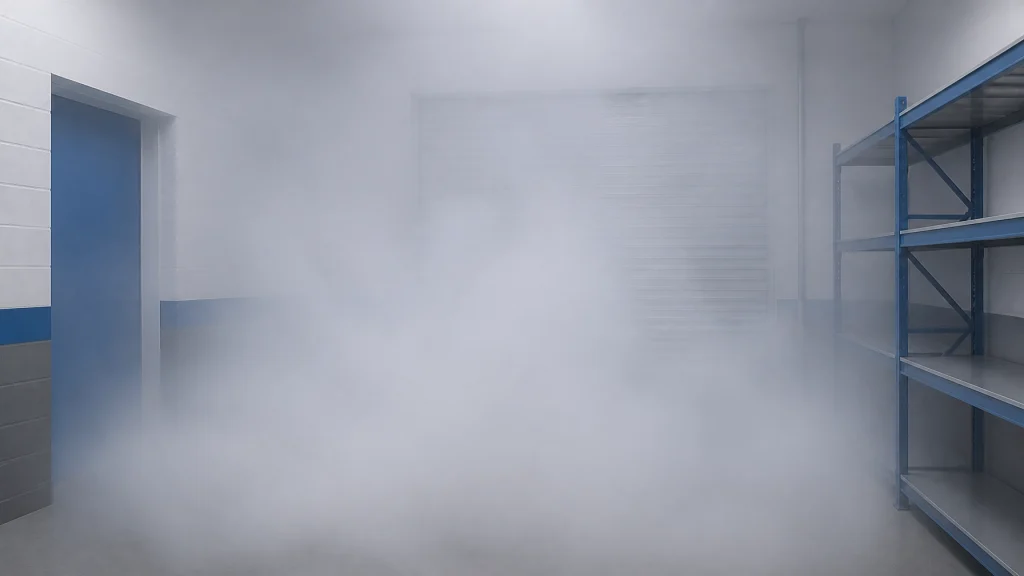
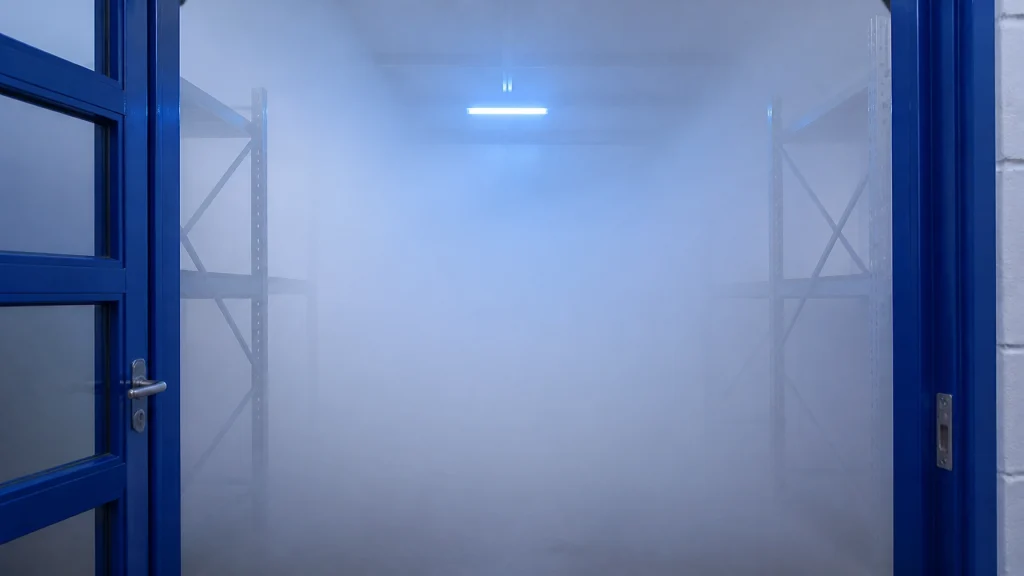
Public sector estates face escalating security vulnerabilities, from organised metal theft at municipal council depots to unauthorized access in NHS equipment stores and school storage areas. Historical reliance on perimeter alarms and post-incident CCTV review permits criminals to execute high-value thefts within minutes, often long before response teams or emergency services arrive. In response, insurers and municipal risk advisers are increasingly mandating active security systems such as Density security fog as a prerequisite of cover. Under standards set out by BSIA, NSI, SSAIB, and EN 50131-8, security fog systems deploy in just three seconds to establish zero visibility, completely halting intrusion attempts before assets can be compromised. Integrating these systems requires no new alarm infrastructure; our units connect seamlessly with existing NSI and SSAIB compatible alarm systems. Facilities ranging from the high-capacity Density 2400 Lite (protecting up to 2,400 m³) and Density 900 Lite, to compact options like the Density Basic (390 m³ per shot) and the niche, battery-powered Density UNIK for single high-value points, ensure complete volumetric coverage across diverse public infrastructure. Review our complete range via /products/ and examine real-world deployments in our /case-studies/ archive. Whether protecting a municipal fleet compound or securing sensitive medical supplies, active deployment transforms vulnerable facilities into impenetrable environments where the core principle holds true: "What you can't see you can't steal." For targeted architectural requirements, explore our /lite-fog-systems/ and /basic-fog-system/, or utilize specialist units detailed on our /unik-fog-system/ page.
Frequently Asked Questions
- Why are insurers increasingly requiring active security systems for public sector renewals?
Insurers and risk management bodies recognize that passive measures like CCTV and bells-only alarms only record or signal after a crime has occurred. With organised theft targeting public sector assets such as metals, IT equipment, and medical supplies, active security systems such as Density security fog are increasingly mandated as a prerequisite of cover because they stop intruders instantly. - Are Density security fog systems compatible with existing public sector alarms?
Yes. All Density units are approved for use with NSI and SSAIB security systems. They integrate directly into existing alarm infrastructure without requiring costly overhauls or replacement control panels. - Is the security fog safe for public buildings, schools, and NHS facilities?
The security fog generated by Density systems is non-toxic, non-corrosive, and leaves zero residue. It is fully certified under BS EN 50131-8, making it completely safe for sensitive environments, including IT hardware, medical equipment, and archival documents. - How quickly does the security fog deploy upon breach detection?
Density systems deploy within 3 seconds of activation, instantly flooding the targeted space (such as a 2,400 m³ council depot or a 390 m³ storage room) to eliminate visibility and halt theft in progress.
Navigating municipal insurance renewals and audit requirements demands verifiable risk reduction rather than theoretical compliance. With statistics demonstrating that 97% of thefts are avoided with security fog compared to just 17% with an alarm or CCTV alone, public sector procurement teams have a clear mandate to upgrade from passive monitoring to active intervention. Meeting these standards safeguards operational continuity, protects public funds, and ensures full alignment with Local Government Association (LGA) guidance and NSI and SSAIB benchmarks.
To secure your estate ahead of upcoming renewal windows and integrate approved active deterrence across your facilities, visit our public-sector security fog systems UK portal today.