Passive surveillance vs active deterrence in public-sector security
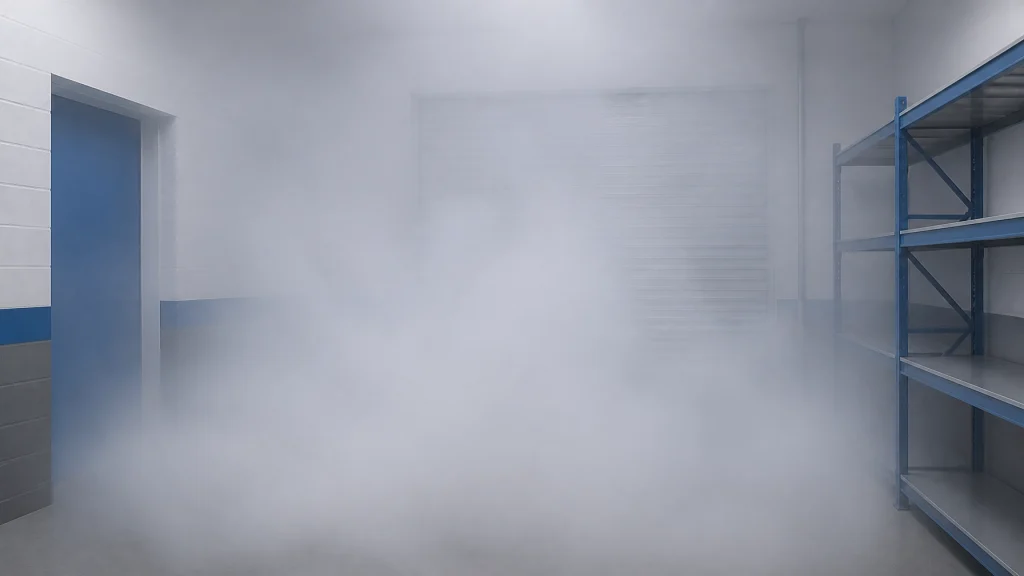
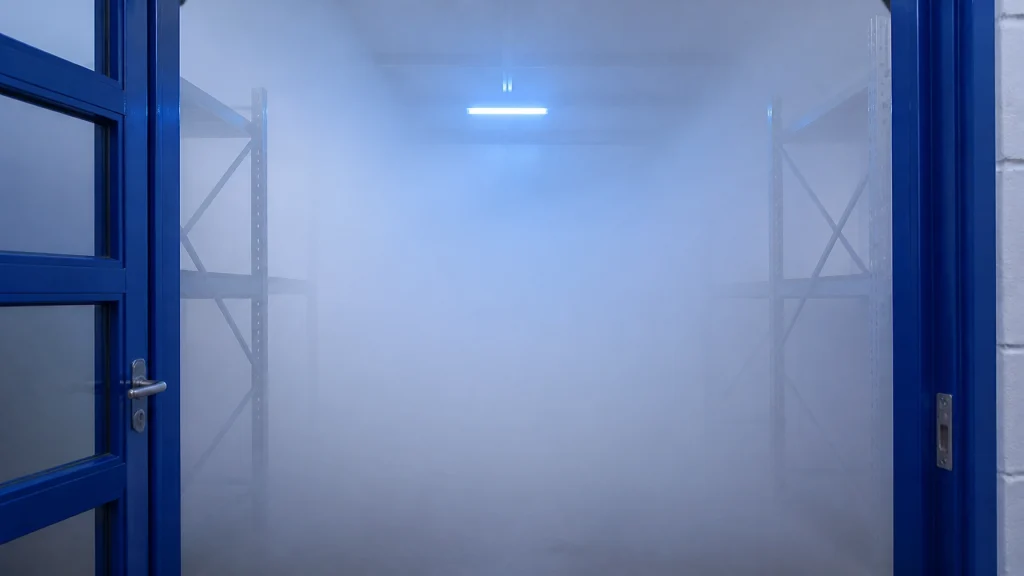
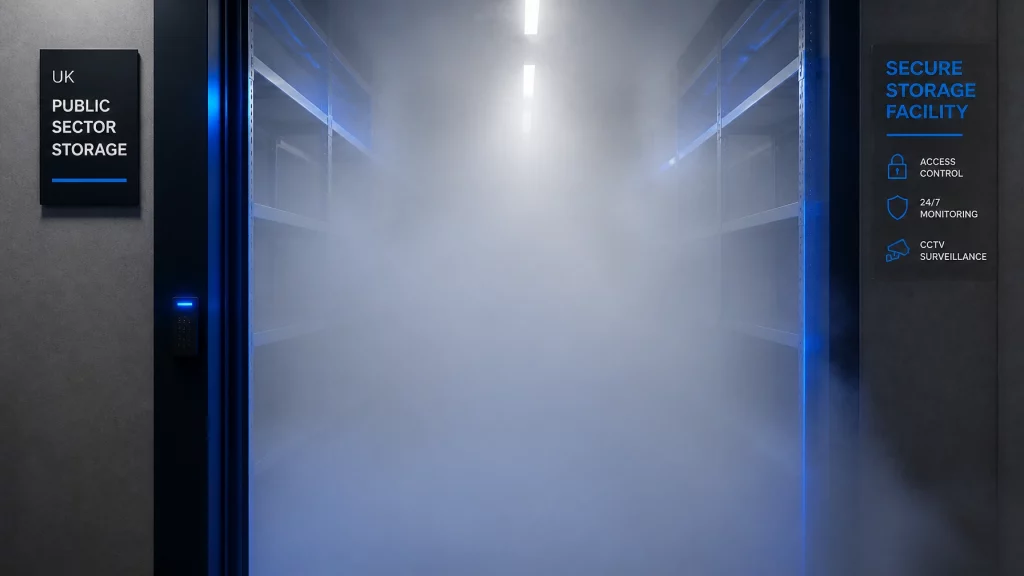
Traditional security strategies for UK public-sector sites have historically relied on a combination of perimeter fencing, motion-activated alarms, and closed-circuit television (CCTV). However, as theft of high-value assets, ranging from plant machinery in council depots to pharmaceutical supplies in NHS trusts, becomes increasingly sophisticated, the limitations of these passive systems are evident. CCTV is a reactive tool; while it provides valuable evidence for post-incident investigation, it does nothing to physically impede a crime in progress. According to police.uk and Home Office data, most burglaries are completed in under four minutes, often before a remote monitoring station can even verify the alarm and dispatch a response team. This gap in protection is where public-sector security fog systems UK offer a critical advantage. While alarms detect and CCTV records, Density prevents. Passive security fails because it relies on the hope that a perpetrator will be deterred by the prospect of future prosecution. In reality, 97% of thefts are avoided with security fog vs 17% with an alarm or CCTV alone. By deploying a dense, non-toxic fog in as little as 3 seconds, the system removes the one thing an intruder needs: their vision. As our tagline states: "What you can't see you can't steal."
Get a tailored security fog quote for your public sector facility

The operational continuity of a municipal depot or an NHS facility depends on the physical security of its assets. When a council depot security fog system is integrated, it provides a layer of municipal depot break-in prevention that traditional systems cannot match. For instance, a typical council fleet compound or storage area may house thousands of pounds worth of catalytic converters, copper piping, and specialised plant equipment. In these environments, council metals theft deterrent measures must be immediate. Our systems are engineered to cover vast volumes, with the Density® 2400 Lite capable of protecting up to 2,400 m³ in a single deployment. For more targeted protection, such as server rooms or high-value zones, smaller units provide localized public-sector active deterrence. It is also vital to note that active security systems such as Density security fog are increasingly mandated as a prerequisite of cover by major insurers and RPA schemes. Our systems are approved for use with NSI and SSAIB security systems, ensuring they integrate seamlessly into existing security infrastructure without requiring a complete overhaul of your alarm network. This compatibility ensures that your NHS facility security systems or government building security fog installations meet the rigorous standards of EN 50131-8, the European standard for security grade fogging devices. By focusing on mid-size secure areas with targeted fog deployment, facility managers can ensure that even if the perimeter is breached, the target assets remain invisible and unreachable.
| Feature | Security Fog | CCTV & Alarms |
|---|---|---|
| Primary Function | Active Deterrence | Passive Monitoring |
| Action | Stops theft in 3 seconds | Records the incident |
| Visibility | Zero visibility created | Visibility maintained for intruder |
| Prevention Rate | 97% of thefts avoided | 17% of thefts avoided |
| Insurer Status | Increasingly a prerequisite of cover | Standard requirement |
| Integration | NSI & SSAIB compatible | Standard NSI/SSAIB |
Frequently Asked Questions
Is security fog safe for sensitive equipment and documents?
Yes. Density security fog is non-toxic, non-corrosive, and leaves no residue. It has been tested and confirmed safe for use around medical equipment, electronic data servers, and paper documents. This makes it an ideal solution for NHS pharmacy security fog and police evidence store security applications.
Does the fog cause damage to the building interior?
The fog is a dry vapour that does not settle as a liquid. Unlike older "smoke" systems, modern security fog does not contaminate surfaces or require professional cleaning after deployment. Ventilation of the area is typically all that is required to return to normal operations.
How does security fog integrate with existing alarm systems?
Density systems are designed to be approved for use with NSI and SSAIB systems. They connect via standard relay outputs to your existing intruder alarm panel. When the alarm is triggered and verified (to prevent false deployments), the fog system activates automatically.
Is security fog legal for use in public-sector buildings?
Yes, provided the installation complies with British and European standards, specifically EN 50131-8. It is a recognised and legal security measure used extensively across the UK public sector to protect civic assets.
How long does the fog remain effective?
Once deployed, the fog can remain dense enough to maintain zero visibility for up to an hour in a sealed room, effectively preventing the intruder from locating any exit or asset until security or police arrive.

Beyond theft prevention, public sector organisations have a significant duty of care to staff, students, and the public. For school and academy site protection, security measures must be effective yet safe. Our fog is water-and-glycol based, meaning it is safe for human inhalation and poses no risk to health if a staff member is present during a false activation. In civic site theft prevention scenarios, where buildings may be unmanned for long periods: such as over weekends or during holiday closures: the speed of deployment is the deciding factor in whether assets are recovered. Relying on a 20-minute police response time in a rural area is no longer a viable security strategy for high-value depots and facility protection. By implementing SSAIB approved fog systems, procurement teams can demonstrate a proactive approach to risk management. Whether you are protecting a police evidence store security zone or managing council fleet compound security, the objective remains the same: stop the intruder before the loss occurs. You can view our proof points to see how various UK authorities have transitioned from passive to active security models. In an era of increasing budget constraints, the cost of replacing stolen plant, medical supplies, or IT equipment far outweighs the investment in an active deterrence system. Density provides the necessary barrier to ensure that operational continuity is never compromised by avoidable theft.
Contact our public sector specialists for a security assessment