Opening and closing a betting shop is when your staff face the most risk. The safe is being accessed. Cash is being counted. Often only one person is on site. These moments are vulnerable. Robbery and assault rates spike during these windows, according to staff safety surveys. The right security can transform these high-risk periods into controlled, protected routines.
Why Opening and Closing Are Most Dangerous
A betting shop at opening time has a clear threat profile. Staff arrive alone or in pairs. Security systems are being disarmed. The premises are unsecured. Routines are visible to anyone watching. There is predictability. The same person arrives at the same time, following the same procedures every day. Closing presents an equally acute risk: cash reconciliation, safe access, and transition from busy trading to an empty site. Both windows share a weakness: minimal staffing and maximum cash visibility.
Survey data shows that 78 per cent of betting shop staff worry about becoming victims of crime at work. Anxiety is highest during opening and closing procedures. Single staffing—common in smaller premises—makes this risk worse. An opportunistic offender watching the site knows exactly when the shop is most exposed.
Standard Security Has Gaps
Most betting shops use alarms, CCTV, and protective screens. These are essential but reactive. An alarm triggers after a threat is already inside. CCTV records but does not deter. Screens protect the counter but not the wider floor. During opening or closing, staff are often away from the protected zone. In those 10–15 minutes, an alarm alone offers limited protection.
97% of thefts are avoided with a fogging system and an alarm combined, compared with 17% with an alarm only. This is a Density® manufacturer figure.
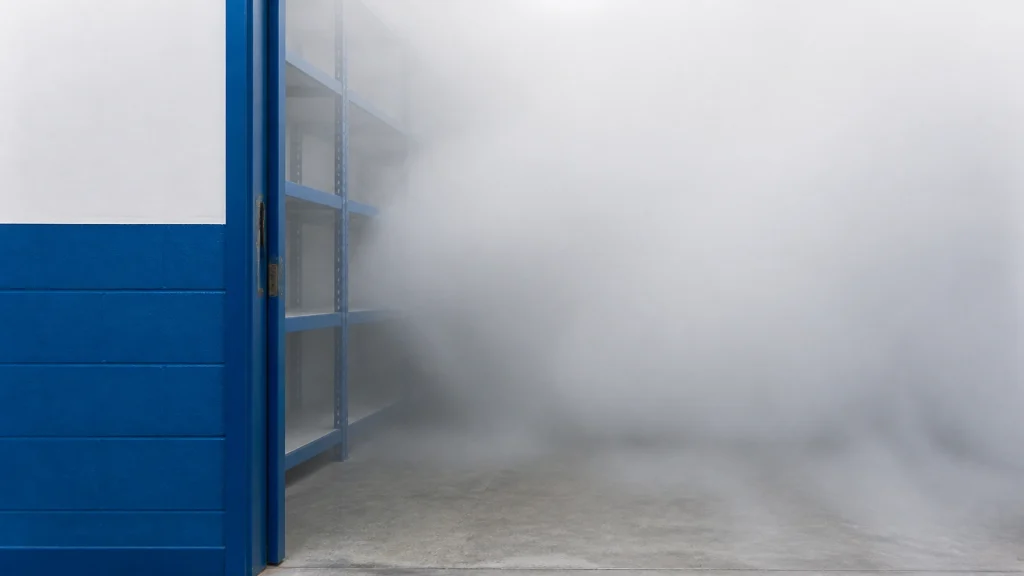
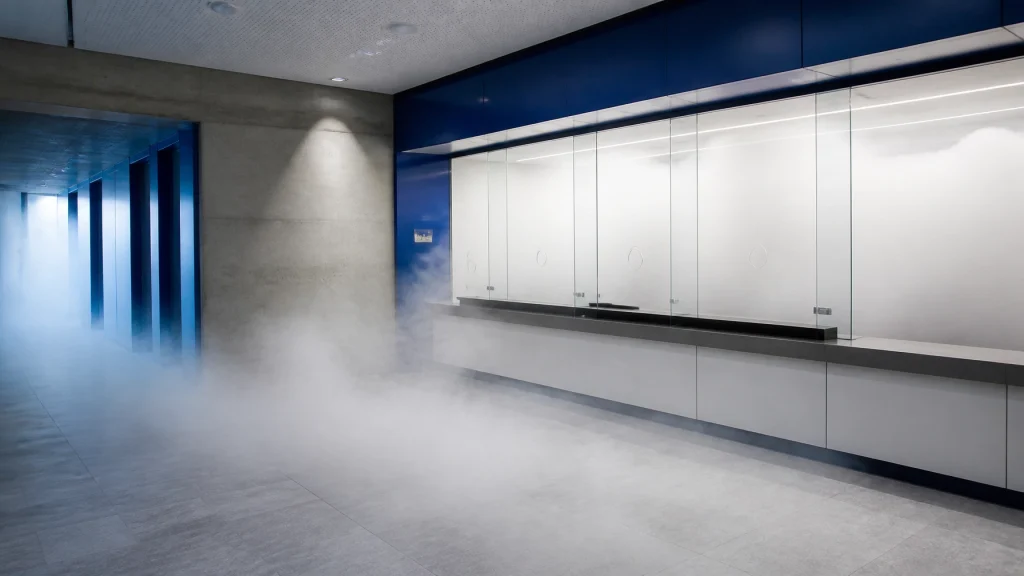
The difference is speed. The moment an intrusion is detected, a fogging system deploys cloud within seconds. The intruder’s visibility drops to zero. Their route is obscured. Their motivation collapses. They leave empty-handed. Staff are protected not by reaction time but by the environment itself becoming hostile to crime.
Opening: Building the Perimeter
A betting shop manager arriving to open unlocks the entrance. They set the alarm to entry mode. During this span—before full staff arrival—an intruder could slip through an unsecured access point and hide inside. They could wait for the safe to be opened or cash to be counted.
A fogging system with motion sensors and door contacts creates an invisible perimeter. If an opening is forced, fog deploys instantly. The intruder is met with zero visibility and panic. The environment removes their advantage before confrontation.
The UNIK system provides instant fog. It has zero heat. Battery autonomy runs up to six months. It covers up to 600 m³. It is ideal for premises expecting frequent activation cycles. Opening and closing are daily armed transitions. This is where continuous readiness and rapid deployment matter most.
Closing: Cash Handling Under Threat
Closing is operationally complex. Till floats must be reconciled and secured. The safe is opened, sometimes multiple times. Cash boxes are prepared for overnight transit. This is a 30–45 minute window. The manager and possibly one deputy manage high-value assets in a dark, quiet, isolated building.
Robbery attempts during closing are often more violent. The offender knows cash is present. The building is nearly empty. A fogging system deployed by a panic button or motion sensor ensures any forced entry triggers immediate obscuration. The intruder cannot locate the manager. They cannot identify the safe. They cannot execute the robbery without visibility.
Integration with your alarm panel is seamless. Fogging systems are fully compatible with all major alarm brands, including Ajax. They support LAN and API integration for central monitoring. Fog deployment complements your alarm. It adds a physical layer no electronic system alone can provide.
Staff Confidence and Better Compliance
Fogging systems change staff behaviour. Managers who know they are protected are more likely to follow procedures correctly. They are less likely to rush. They are more willing to work solo when necessary. Staff also report higher confidence in their personal safety. When a security measure actively stops crime, the psychological effect is significant.
Compliance with Licensing Standards
Licensed betting premises are subject to security assessments by local authorities. A fogging system with EN 50131-8:2019 certification strengthens your compliance posture. It demonstrates proactive risk management. The Safe Bet Alliance Voluntary Code recommends layered security. Fogging is increasingly featured in security audits as best practice, especially for shops with single staffing.
Installation and Setup
A fogging system does not require structural alteration or extensive wiring. Modern generators sit discreetly in a back room or office. Deployment takes months, not years. A betting shop security survey will assess your opening and closing risk and the generator size you need.
The UNIK fog system covers up to 600 m³. It is designed for rapid deployment in confined, high-value spaces. All generators integrate with your existing alarm. All are compatible with remote monitoring platforms.
Why Betting Shops Need This Protection
Betting shops face a unique convergence of factors: high cash density, predictable daily routines, often small staff numbers, and visible windows that broadcast internal activity. Opening and closing are ritual moments. The same time, the same actions, every day. They are precisely the moments an offender studies before acting. The Cash and Staff Safety in Licensed Betting Premises hub covers multiple angles on this challenge.
Fogging does not replace alarms, screens, or CCTV. It completes the picture. It removes the time gap between detection and protection. For staff arriving before dawn or leaving after late trading, it transforms a nervous routine into a defended space.
Frequently asked questions
Does fogging activate every time the door opens?
No. Systems use configurable sensors and dual-trigger logic. Motion and door contact must occur in the alarm state. During normal business hours, the system is disarmed. Deployment is selective and tied to intrusion detection, not routine entry and exit.
Is the fog toxic or a slip hazard?
The fog is non-toxic. It is certified by Eurofins. It is evaluated to EN ISO 16000-1:2006 for safety in human environments. It disperses naturally and does not create a lasting slip hazard.
Will fogging damage screens, products, or electronics?
No. The fog is water-based and residue-free. It does not corrode electronics. It does not damage till systems or equipment. Cleanup is minimal.
Can fogging systems integrate with CCTV or central monitoring?
Yes. Generators support full integration with alarm panels, CCTV, and remote monitoring platforms via LAN and APIs. Your security provider can monitor deployment events. Staff can receive alerts in real time.
Opening and closing your betting shop does not have to be a time of anxiety. The right fogging system, configured for your site’s risk profile and integrated with your alarm, makes these vulnerable windows into routine, protected procedures. Get a quote today by booking a free premises survey. A security specialist will assess your opening and closing protocols. They will recommend a system that fits your risk and space.