
Pub Security Systems
with Alarm-Linked Fog
Protect cash, tills and enclosed stock areas after closing. Density adds fog protection to your existing alarm. A site survey confirms the zones, equipment and operating procedure for your pub or bar.
Get a Free Licensed Premises Security QuoteSector Challenges
After-Hours Cash Accumulation:
End-of-night cash takings, till floats, and safe deposits make pubs and bars financially attractive targets in the early hours. The period between last orders and banking the following morning is the highest-risk window for premises holding significant cash on site.
Predictable After-Close Vulnerability:
Licensed premises close at consistent times and follow predictable shutdown procedures. Organised criminal networks observe these patterns and time their operations accordingly — with most pub and bar break-ins occurring within two hours of closing when takings are at their highest and staff have left.
Alcohol & Spirits Stock:
Beyond cash, pubs and bars hold significant spirits and premium drink stock that represents a secondary theft target. Combined with accessible bar layouts and multiple access points — front, rear, and cellar — licensed premises offer both the cash motive and the stock opportunity in the same location.
Density Security Fog Solutions Are Trusted By

Security Fogging — How It Works
After-Hours Security for Pubs, Bars & Licensed Premises
A pub security system needs to cover entry points, tills, cash storage and valuable stock. Review locks and shutters, alarm detection, CCTV and the closing routine together. A cellar, office and open bar may need different protection; the survey assesses each zone.
Density adds an active fog response to an existing alarm. Discharge starts in under one second after a confirmed trigger; the time to obscure the protected area depends on its volume, layout and airflow. Agree how staff and cleaners arm the system, how monitoring responds and how re-entry is managed.
Before closing, check doors and windows, follow your cash-storage procedure and confirm the alarm has armed. Ask a surveyor which stock and cash zones need fog protection. Read how security fog and smoke systems work, then compare fog generators for your premises.
Products for Every Pub & Bar Environment
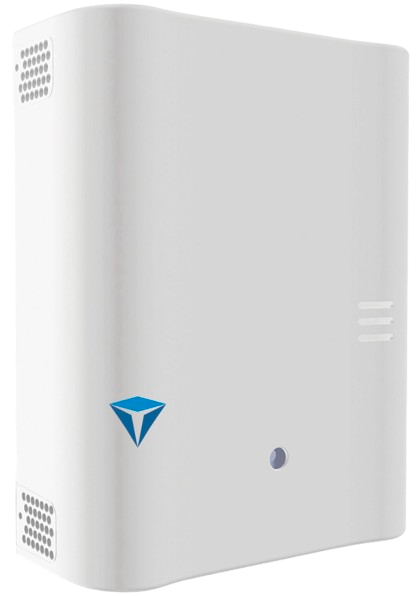
Density® 600C Line
Fast whole-shop cover for high-margin stock — the deterrent that ends repeat targeting.
View Product

Get a Free Site-Specific Quote
Tell us about your premises and we'll recommend the right Density system — no obligation, no sales pressure, just the right solution for your site. Not sure which unit is right for you? Compare the best security fog systems for 2026.
Why Licensed Premises Choose Active Deterrence
The criminal advantage in a pub or bar break-in is familiarity with the layout: bar, till, safe, spirits. Standard alarms don't reduce that advantage — they create a notification of its exercise. Density fog removes the advantage entirely. The moment intrusion is confirmed, the bar area fills with dense fog — the intruder cannot see the bar, cannot locate the till, cannot reach the safe, cannot find the spirits. The operational purpose of the break-in is immediately defeated.
-
Lightning-fast deployment — <1s to activate
Density fog fills your bar area before any intruder can reach the till, safe, or spirits stock.
-
Covers bar and back-of-house simultaneously
Full zone coverage means both the trading floor and back-of-house stock areas are protected from a single trigger — no accessible clear zone remains.
-
Deters repeat targeting
Active fogging systems are known deterrents within organised criminal networks — licensed premises with Density installations are identified and avoided, removing the repeat-targeting pattern that affects many pubs and bars.
Key Benefits at a Glance
Lightning-Fast Deployment — <1s to Activate
Fog fills your bar area before any intruder can reach the till, safe, or spirits.
Approved with NSI & SSAIB Systems
Approved for use with NSI and SSAIB systems — increasingly expected by commercial insurers covering after-hours cash and stock risk on licensed premises.
Integrates with Existing Alarms
Works alongside your monitoring station or existing alarm panel — no new infrastructure required.
Safe for Bottles, Glasses & Bar Equipment
Non-toxic, non-corrosive fog fluid is completely safe around all bar stock, glassware, optics, draught equipment, and cellar hardware.
UK-Wide Installation Network
Approved partners cover the whole UK for installation and servicing.
Latest Sector News
Density Security Fog Solutions Are Trusted By
Quote Tool
Get an indicative price using your contact details and approximate site dimensions, or send a short enquiry for a surveyed quote.
Prefer to speak to someone? Call Us Today
Security fog installation costs vary depending on site size and the number of units required - use our quote tool for a site-specific estimate
Frequently Asked Questions
Yes. Density fog fluid is water-based, non-toxic, and non-corrosive — it is completely safe for all bar stock including bottled and draught products, glassware, optics, cellar equipment, and all surfaces.
The fluid dissipates naturally within 30 to 60 minutes without leaving any residue. It is CE-certified and tested to applicable EN standards, and does not require specialist cleaning of bar surfaces, glassware, or equipment after deployment.
Yes. Multiple Density units can be deployed across separate zones — bar floor, back bar, cash office, cellar — each triggered simultaneously from a single confirmed intrusion event.
A site survey will map your specific layout and recommend the optimal unit placement and specification for complete coverage of all at-risk areas.
Density integrates via a standard relay output on your existing alarm panel and is compatible with the vast majority of alarm systems used across UK licensed premises. Installation by a Density-approved engineer is typically completed within a few hours, with the process able to be scheduled outside trading hours to avoid any operational disruption.
Commercial insurers covering licensed premises are increasingly aware of approved active security systems as a risk-reduction measure for after-hours cash exposure. Density provides full product certification documentation that can be submitted to your insurer or broker for your insurer or broker to review.
Yes — Density can be configured to protect cellar access points, back-of-house corridors, and cash office areas as distinct zones. Units are triggered from your existing alarm panel, meaning any confirmed intrusion at any monitored access point triggers deployment in the protected zone.
A site survey will confirm the optimal configuration for your specific premises and access pattern.
Costs are calculated based on the size of the area to protect, the number of zones, and the complexity of alarm integration. A free site survey — at no charge and with no obligation — is the best way to produce an accurate costed proposal for your premises.
For most pubs and bars, a single Density installation compares favourably with the cost of a single after-hours cash theft incident, which typically includes safe repair, till replacement, and insurance excess in addition to the cash loss itself.